Bring Your Fiancé(e) to the United States
Distance doesn't diminish love, but U.S. immigration law creates real barriers that keep engaged couples apart.
When you've found the person you want to spend your life with, but they live in another country, every day of separation feels endless. You want to start your future together, plan your wedding, and build your life as a married couple—but immigration paperwork, embassy interviews, and complex requirements stand between you and the person you love.
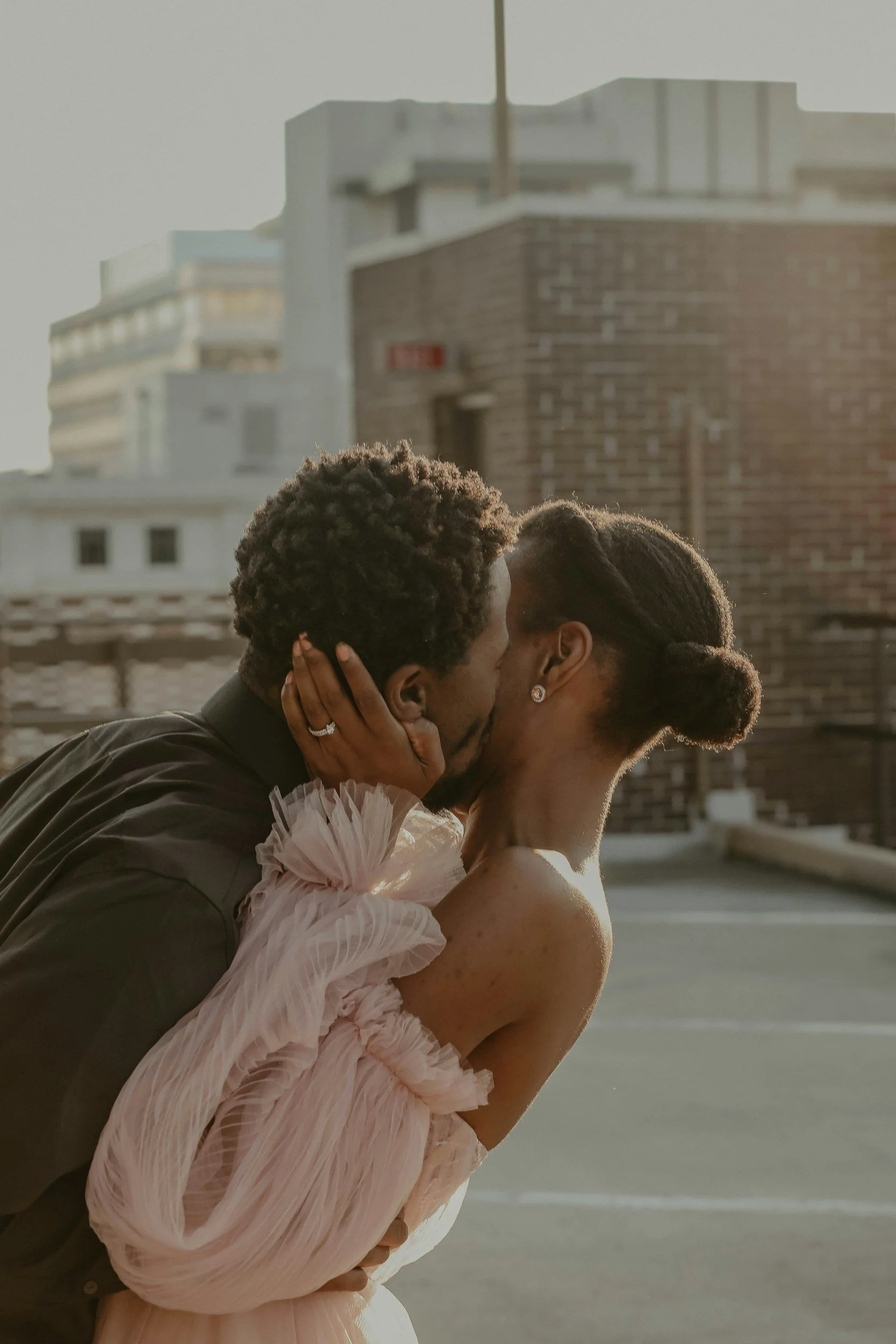
The K-1 fiancé(e) visa (also called the fiancé visa) allows U.S. citizens to bring their foreign fiancé(e) to the United States to get married. This nonimmigrant visa is specifically designed for couples who are engaged and plan to marry within 90 days of the fiancé(e)'s arrival in the U.S.
Unlike marriage-based green cards where you must already be married, the K-1 visa allows you to marry on U.S. soil, in front of your family and friends, and then immediately begin the process of obtaining a green card for your new spouse. The process begins with filing Form I-129F (Petition for Alien Fiancé(e)) with USCIS, followed by consular processing at a U.S. embassy or consulate abroad, an in-person interview, and finally, visa issuance that allows your fiancé(e) to travel to the United States.
Immigration lawyer Lesley Irizarry-Hougan has spent over 20 years exclusively in immigration law in Washington State, helping hundreds of couples successfully navigate the K-1 visa process. Her entirely bilingual, Spanish-speaking staff ensures that language is never a barrier—whether you met online, have a significant age difference, come from different cultural backgrounds, or face scrutiny due to quick engagements, we communicate in the language (Spanish/English) you're most comfortable with throughout the entire process. We understand that international relationships are often scrutinized by USCIS and consular officers, and we specialize in building strong cases that demonstrate your relationship is genuine, even when circumstances may raise red flags.
L.I.H. Law welcomes all couples, regardless of how you met or how long you've been together. We proudly serve couples who met through international dating websites, social media, or online gaming. We help couples with large age differences navigate additional scrutiny. We work with military service members and their foreign fiancé(e)s. We represent LGBTQ+ couples whose relationships may not be recognized in their home countries. We assist couples from cultures with arranged marriages or different courtship traditions. If you're genuinely in love and committed to building a life together, we're here to help you overcome the immigration obstacles keeping you apart.
Marriage Green Card Services We Provide
We guide Seattle-area couples through every aspect of the K-1 fiancé visa process, including:
Form I-129F Petition Preparation and Filing
Establishing your qualifying relationship and intent to marry within 90 days
Relationship Evidence Documentation
Proving your genuine relationship through photos, communications, travel records, and witness statements
Meeting Requirement Documentation
Proving you met in person within the past 2 years (or obtaining religious/cultural waivers)
DS-160 Nonimmigrant Visa Application
Completing the consular processing application for your fiancé(e)
Embassy Interview Preparation
Comprehensive coaching on what consular officers ask and how to prove your relationship is real
K-2 Visas for Children
Including your fiancé(e)'s unmarried children under 21 so they can come to the U.S. with their parent
Online Relationship Cases
Proving genuine relationships that began through international dating sites, social media, or gaming platforms
Large Age Difference Relationships
Overcoming scrutiny when there's a significant age gap between partners (10+ years)
Quick Engagement Cases
Building strong cases when you get engaged shortly after meeting in person
Second and Third Marriages
Addressing USCIS and consular concerns when either partner has been married multiple times before
Different Cultural or Religious Backgrounds
Helping couples from different cultures navigate expectations and prove relationship authenticity
Long-Distance Relationship Documentation
Demonstrating ongoing commitment despite months or years of physical separation
Language Barrier Assistance
Supporting couples who don't share a common first languag
Military Fiancé(e) Visas
Expedited processing considerations for active-duty service members
Previous Visa Denial Recovery
Overcoming past tourist visa denials or other immigration issues
Financial Sponsorship Requirements (Form I-134
Proving financial ability to support your fiancé(e) at 100% of poverty guidelines
Medical Examination Coordination
Guiding your fiancé(e) through required medical exams abroad
After-Arrival Marriage Planning
Ensuring you marry within the strict 90-day deadline
Post-Marriage Adjustment of Status (Form I-485)
Filing for your spouse's green card immediately after marriage
Work Authorization and Travel Documents
Obtaining employment authorization (EAD) and advance parole while a green card is pending
Request for Evidence (RFE) Responses
Addressing USCIS or consular requests for additional documentation
Our K-1 Fiancé(e) Visa Process
Step 1: Initial Consultation - Comprehensive Relationship Assessment
We conduct a detailed review of your situation, including your status as a U.S. citizen (K-1 visas are ONLY available to U.S. citizens, not green card holders), your fiancé(e)'s current location and immigration history, how and when you met, the timeline of your relationship, your engagement details, whether you've met in person within the past 2 years, any previous marriages either of you had, any immigration violations or visa denials your fiancé(e) may have, and your financial ability to sponsor your fiancé(e).
We're looking for potential red flags that consular officers will scrutinize:
You met online through international dating sites and had limited in-person time before engagement
You got engaged very quickly after the first meeting in person (less than a few weeks)
There's a significant age difference between you (15+ years)
This is a second, third, or fourth marriage for either partner
You don't share a common language fluently
You come from vastly different cultural or economic backgrounds
Your fiancé(e) has previous visa denials or immigration violations
You've been in a long-distance relationship with minimal in-person visits
None of these red flags disqualify you—thousands of couples with these circumstances successfully obtain K-1 visas every year. However, USCIS and the embassy will examine your case more closely, so you'll need stronger evidence and better preparation.
We provide honest assessments of your timeline, the evidence you'll need, whether K-1 is the right choice versus getting married abroad and filing for a spousal visa (CR-1/IR-1), and what to expect throughout the process. If your fiancé(e) needs waivers or has complications that require addressing first, we explain exactly what needs to happen.
Step 2: Evidence Gathering - Building Your Relationship Case
K-1 fiancé visa petitions require two types of documentation: legal documents proving eligibility, and relationship evidence proving your relationship is genuine and you intend to marry.
Legal documents required:
Proof of U.S. citizenship: Your birth certificate, passport, or naturalization certificate
Proof you're legally free to marry: Divorce decrees from all previous marriages (both partners), or death certificates if previously widowed
Your fiancé(e)'s birth certificate
Your fiancé(e)'s passport
Passport-style photos of both you and your fiancé(e)
Proof you met in person within the past 2 years:
This is a strict requirement with few exceptions. You must submit evidence showing you and your fiancé(e) met face-to-face at least once during the 2 years before filing Form I-129F. Strong evidence includes:
Passport stamps showing international travel to see each other
Flight itineraries and boarding passes
Hotel reservations in your fiancé(e)'s country (or yours if they visited the U.S.)
Photos taken together during visits, clearly showing both of you in the same location
Receipts or credit card statements from trips
Waivers of the in-person meeting requirement: Very limited circumstances allow waivers—extreme hardship to the U.S. citizen petitioner or if the in-person meeting would violate strict customary practices of your fiancé(e)'s foreign culture or social practice (such as arranged marriages in certain cultures). These waivers are difficult to obtain and require substantial evidence.
Relationship evidence proving intent to marry and a genuine relationship:
This is the most critical part of your petition. USCIS and the embassy want to see that you have a genuine, ongoing romantic relationship and a bona fide intent to marry—not a marriage entered into solely for immigration benefits.
Strong relationship evidence includes:
Photos together: Throughout your relationship, from when you first met to the present day—trips to see each other, holidays, time with each other's families, everyday moments. Organize chronologically with captions
Communication history: Emails, WhatsApp messages, text messages, Facebook messages, call logs, video chat screenshots showing regular, ongoing contact—especially important for long-distance couples
Travel records: All trips you've taken to visit each other, with itineraries, tickets, hotel confirmations, and photos at tourist sites together
Engagement evidence: Proposal photos, engagement ring receipts, engagement announcements to family/friends, wedding planning documents
Financial support or commingling: Money transfers you've sent to support your fiancé(e), gifts purchased for each other, joint purchases or investments
Meeting each other's families: Photos with parents, siblings, extended family; letters from family members supporting your relationship
Affidavits from people who know you as a couple: Detailed letters from friends, family members, coworkers who can attest to your genuine relationship, how you met, how long they've known you're together, and why they believe your relationship is real
Future plans: Wedding venue reservations or quotes, joint lease or home purchase plans, and discussions of starting a family
For couples who face extra scrutiny: If your relationship has red flags (e.g., a quick engagement, meeting online, a large age gap), you'll need even more documentation. We help you build the strongest possible case by identifying gaps in your evidence and showing you exactly what additional documentation to gather.
Our bilingual team helps you obtain documents from government agencies abroad, arranges certified translations of Spanish-language documents, and organizes everything systematically so your petition is as strong as possible.
Step 3: Form I-129F Preparation and Filing
We meticulously prepare your Form I-129F (Petition for Alien Fiancé(e)), ensuring every answer is accurate and consistent with supporting documents. This form requires detailed biographical information about both you and your fiancé(e), complete marital histories, information about how and when you met, evidence of your in-person meetings, details about your engagement, information about any children (yours or your fiancé(e)'s), and careful attention to dates and consistency.
Form I-134 (Affidavit of Support): We prepare Form I-134 showing your financial ability to support your fiancé(e) at 100% of the Federal Poverty Guidelines for your household size. This is different from the stricter I-864 required for green cards—I-134 is not legally binding but demonstrates you can financially support your fiancé(e) so they won't become a public charge. You'll need to provide tax returns, pay stubs, employment verification letters, and bank statements.
Cover letter and legal arguments: For complex cases, we prepare detailed cover letters explaining your circumstances to USCIS adjudicators, citing relevant law and policy, addressing potential concerns proactively, and highlighting the strongest evidence proving your relationship is genuine.
K-2 visas for children: If your fiancé(e) has unmarried children under 21, we include them on Form I-129F so they can come to the United States with your fiancé(e). Each child will receive a K-2 derivative visa.
Filing fee: Please see the USCIS fee schedule for the latest fee: https://www.uscis.gov/g-1055
We file your complete I-129F petition with USCIS, provide you with copies of everything submitted, and give you your receipt number for tracking.
Step 4: USCIS Processing and Approval
After filing, you'll receive a receipt notice from USCIS (Form I-797C) confirming they received your petition. This notice includes your case number which you can use to track your case status online.
During processing, USCIS reviews your petition, verifies your U.S. citizenship, confirms you and your fiancé(e) are legally free to marry, checks that you met the in-person requirement, and assesses whether your relationship appears genuine. They conduct background checks on both you and your fiancé(e).
Request for Evidence (RFE): USCIS may issue an RFE asking for additional documentation if they have questions about your relationship, want more proof you met in person, need additional evidence of divorce/death of previous spouses, or require clarification on any aspect of your petition. We respond to RFEs strategically and thoroughly, addressing every concern USCIS raises.
Approval Notice (Form I-797): If USCIS approves your I-129F petition, you'll receive an approval notice. This approval is valid for 4 months at the National Visa Center and then another 6 months after the embassy receives it—meaning your fiancé(e) must complete the visa process and enter the U.S. within approximately 10 months of USCIS approval.
After approval, USCIS forwards your petition to the National Visa Center (NVC) for processing and eventual transfer to the U.S. embassy or consulate in your fiancé(e)'s country.
Step 5: National Visa Center (NVC) and Embassy Transfer
The NVC receives your approved I-129F petition from USCIS and performs initial processing. They assign your case a case number and an invoice identification number. The NVC then transfers your petition to the U.S. embassy or consulate that serves your fiancé(e)'s country of residence.
Your fiancé(e) will receive instructions from the NVC or embassy about next steps, including completing Form DS-160 (Online Nonimmigrant Visa Application), paying visa application fees ($265 for K-1, $265 for each K-2 child), and gathering required documents for the interview.
Step 6: DS-160 Form and Document Submission
Timing: Complete within a few weeks of embassy notification
Your fiancé(e) must complete Form DS-160 online—a detailed nonimmigrant visa application form. This requires biographical information, travel history, education and employment history, family information, security and background questions, and uploading a digital passport photo meeting specific requirements.
We guide your fiancé(e) through the DS-160, ensuring all answers are accurate and consistent with the I-129F petition you already filed. Any inconsistencies between I-129F and DS-160 can raise red flags at the embassy interview.
Required documents for embassy:
Valid passport (must be valid for at least 6 months beyond intended date of entry to U.S.)
Birth certificate
Divorce decrees or death certificates from previous marriages
Police certificates from every country lived in for 6+ months since age 16
Military records if applicable
Two passport-style photos
DS-160 confirmation page
I-129F approval notice
Medical examination results (Form DS-2053)
Medical examination: Your fiancé(e) must undergo a medical examination by a Department of State-approved physician (panel physician) in their country. The exam includes physical examination, vaccination review and any required vaccinations, chest X-ray to test for tuberculosis, blood tests for syphilis and other diseases, and a general health assessment. This cost depends on the country and what vaccinations are needed. The physician will provide sealed results in an envelope that your fiancé(e) must bring to the interview—do not open this envelope.
Step 7: Embassy Interview - The Critical Step
The embassy interview is the make-or-break moment of your K-1 visa application. Your fiancé(e) will attend an in-person interview at the U.S. embassy or consulate where a consular officer will verify the information in your petition and determine whether to issue the K-1 visa.
What happens at the interview:
Your fiancé(e) attends alone (you cannot accompany them to the interview)
Security screening and check-in
Biometric collection (fingerprints, photo)
Interview with consular officer under oath
Document review—the officer examines all submitted documents and may ask for additional evidence on the spot
Decision—approved, denied, or placed in "administrative processing" (additional review needed)
Typical interview questions:
How did you and your fiancé(e) meet? When and where?
How long have you known each other?
How do you communicate? How often?
When did you get engaged? How did the proposal happen?
Have you met your fiancé(e)'s family? Have they met yours?
When was the last time you saw each other in person?
What are your wedding plans? When and where will you marry?
What does your fiancé(e) do for work?
What language do you speak together?
What will you do in the United States after marriage?
Has your fiancé(e) been married before? Do you have children?
These questions test whether your fiancé(e) actually knows you and whether the relationship is genuine. If your fiancé(e) can't answer basic questions about you, your relationship, or your plans, the consular officer may suspect fraud.
For cases with red flags: If USCIS or the embassy has concerns about your relationship (quick engagement, met online, large age gap, etc.), expect more detailed questioning. The officer may ask your fiancé(e) to provide additional evidence, request more detailed explanations about your relationship, or even conduct follow-up interviews.
Our interview preparation is thorough: We conduct mock interviews with your fiancé(e) (via video call if they're abroad), review all petition and DS-160 information line-by-line, prepare them for difficult questions, explain how to answer honestly without volunteering unnecessary information, discuss what documents to bring, and develop strategies for addressing any weaknesses in your case.
If approved: The consular officer will keep your fiancé(e)'s passport and issue the K-1 visa, typically within 1-2 weeks. Your fiancé(e) will receive their passport back with the visa stamped inside, along with a sealed packet of documents to give to CBP officers when entering the United States. Do not open this sealed packet.
If denied: The consular officer will provide a written explanation of why the visa was denied. Common reasons include failure to prove the relationship is genuine, inability to demonstrate you met in person, evidence of fraud or misrepresentation, your fiancé(e) is inadmissible due to criminal history or other grounds, or the officer believes your fiancé(e) intends to immigrate through means other than marriage. We can review denials and determine if there are grounds to reapply with stronger evidence or if appeals are possible.
Step 8: Entry to the United States and 90-Day Marriage Deadline
Timing: Must enter U.S. within 6 months of visa issuance
Once your fiancé(e) receives their K-1 visa, they can travel to the United States. The K-1 visa is valid for single entry within 6 months of issuance—if they don't use it within 6 months, it expires and you'll need to start the entire process over.
Upon arrival at a U.S. port of entry:
Your fiancé(e) presents their passport with K-1 visa, sealed embassy packet (unopened), and any other documents
CBP (Customs and Border Protection) officers inspect the documents, ask questions about the purpose of travel and relationship, and verify admissibility
If everything checks out, CBP admits your fiancé(e) to the U.S. as a K-1 nonimmigrant
CBP stamps the passport showing K-1 admission and the 90-day deadline by which you must marry
CRITICAL 90-DAY DEADLINE: You and your fiancé(e) MUST marry within 90 days of their entry to the United States. This deadline is absolute and cannot be extended for any reason. If you fail to marry within 90 days, your fiancé(e) loses their legal status and becomes deportable. They cannot change to another visa status—K-1 can only lead to marriage and adjustment of status. They must leave the U.S. if you don't marry in time.
Getting married: You can marry anywhere in the United States—your state, another state, wherever you choose. The marriage must be legally valid under the laws of the state where it takes place. Obtain an official marriage certificate from the county clerk or vital records office—you'll need this to file for the green card.
K-2 children: Any K-2 children who entered with your fiancé(e) must also be included in the green card application after marriage, even though they're not marrying you themselves. They derive status from their parent.
Step 9: Adjustment of Status (Green Card) After Marriage
Timing: File immediately after marriage
After you marry, your spouse can immediately file Form I-485 (Application to Register Permanent Residence or Adjust Status) to obtain a green card. There's no waiting period—file as soon as you have your marriage certificate.
The I-485 application package includes:
Form I-485 for your spouse (and Form I-485 for each K-2 child)
Your marriage certificate
Form I-864 (Affidavit of Support)—this is the legally binding version, unlike I-134
Form I-693 (Medical Examination)—your spouse needs a new medical exam by a USCIS-approved civil surgeon in the U.S., even though they just had one abroad
Form I-765 (Application for Employment Authorization)—so your spouse can work while waiting for the green card
Form I-131 (Application for Travel Document/Advance Parole)—so your spouse can travel and return while I-485 is pending
Supporting documents, photos, birth certificates, passport copies
Your spouse will attend a biometrics appointment soon after filing the I-485 for fingerprinting and photos. USCIS typically approves work authorization (EAD) next allowing your spouse to work legally while waiting for the green card.
Adjustment of status interview: USCIS may schedule an interview at the Seattle Field Office (for King County residents) to verify your marriage is genuine and your spouse is admissible. This is similar to marriage-based green card interviews—officers ask questions about your relationship, your daily life together, and your future plans. We prepare you thoroughly for this interview.
Conditional 2-year green card: If you've been married less than 2 years at the time USCIS approves the I-485, your spouse will receive a conditional 2-year green card (not a permanent 10-year card). Before the 2-year anniversary, you must file Form I-751 jointly to remove the conditions and get a permanent green card. If you've been married 2+ years when I-485 is approved, your spouse receives a permanent 10-year green card immediately.
After green card approval: Your spouse becomes a lawful permanent resident, can live and work anywhere in the U.S., travel freely, and after 3 years can apply for U.S. citizenship (if still married to you as a U.S. citizen).

Why Choose L.I.H. Law for Your Citizenship Case
Our Specialty
Experience With Complex Immigration Journeys: Family-Based, Family Reunification, VAWA, Waivers
20+ Years Exclusively Practicing Immigration Law
-
Attorney Lesley Irizarry-Hougan has devoted her entire legal career to immigration law since graduating from Northern Illinois University School of Law.
-
Unlike general practice attorneys who handle immigration cases occasionally, Lesley exclusively focuses on immigration law. This means she understands the nuances of U.S. immigration law, stays current on policy changes, and knows how Seattle's USCIS office operates.
Fully Bilingual Service—Se Habla Español
-
Our entire staff is fluent in Spanish, not just the receptionist. From your first call to your oath ceremony, you can communicate in the language you're most comfortable with.
-
We translate documents, explain legal concepts in Spanish, and ensure you fully understand every step. This cultural and linguistic competence means we can better serve Seattle's large Latino immigrant community, though we welcome clients from all backgrounds.
Daughter of a Veteran with Deep Community Roots
-
As the daughter of a U.S. military veteran, Attorney Lesley Irizarry-Hougan has a profound respect for the meaning of American citizenship and the sacrifices families make to achieve it.
-
She understands both the immigrant experience and American values, bringing a unique perspective to every case.
Active Community Involvement
-
L.I.H. Law doesn't just practice immigration law—we actively serve Seattle's immigrant community. Attorney Lesley volunteers at
-
citizenship clinics sponsored by the Seattle Office of Immigrant and Refugee Affairs, helps immigrants apply for citizenship at Naturalization Day events, provides pro-bono services through Northwest Immigrant Rights Project (NWIRP), and gives free immigration workshops throughout Washington State.
Transparent, Reasonable Fees
-
We provide clear, upfront pricing with no hidden costs. Our fees are structured fairly, and we offer payment plans when needed.
Local Knowledge
-
Deep Understanding of Seattle USCIS Field Office Procedures
Transparent Process
-
Clear Process with Timeline Expectations
Client Service
-
Personal Attention Throughout - You're Not Just a File Number
Proven Results
-
100+ Five-Star Google Reviews from Satisfied Clients
Frequently Asked Questions
-
Total time from filing to your fiancé(e)'s arrival: you can check current processing times here: Case Processing Times
The K-1 process involves several stages:
Stage 1: USCIS Processing of Form I-129F
Receipt notice
RFE (if issued)
Approval notice
Stage 2: National Visa Center (NVC) Processing
Time: 1-3 months for NVC to receive petition from USCIS and transfer to embassy
Stage 3: Embassy Processing and Interview
DS-160 completion and fee payment:
Medical examination:
Interview scheduling: (varies significantly by embassy)
Administrative processing (if needed):
Visa issuance after approval: 1-2 weeks
Factors that affect timeline:
USCIS service center workload (varies by location)
Complexity of your case (RFEs add significant time)
Which embassy processes your fiancé(e)'s visa (some are faster than others)
Whether your fiancé(e)'s country requires administrative processing for background checks
Current geopolitical situations affecting visa processing
Can you speed it up? Unfortunately, USCIS does not offer expedited processing for K-1 petitions, except in extremely limited circumstances (e.g., severe illness or the death of the petitioner or beneficiary). However, filing a complete, well-documented petition from the start helps avoid delays from RFEs.
Important: These timelines don't include the post-arrival adjustment of status process. After your fiancé(e) arrives and you marry, expect another wait for processing for the green card.
-
USCIS and Department of State Government Fees: Government fees vary, but during the consultation, we will help you better understand them.
Attorney fees: Our legal fees for K-1 visa representation vary based on case complexity. During your initial consultation, we provide a clear, flat fee price. We offer payment plans to make our services more accessible.
Financial sponsorship requirement (form I-134): You must also prove you can financially support your fiancé(e) at 100% of the Federal Poverty Guidelines for your household size (note: this is lower than the 125% requirement for green card sponsorship). For 2025:
2-person household: $21,370/year minimum
3-person household: $26,940/year minimum
4-person household: $32,510/year minimum
-
Meeting online is completely fine and very common for K-1 visas in 2025. Thousands of couples successfully obtain K-1 visas every year after meeting through international dating sites, social media, apps, or online gaming. What matters is not how you met, but whether you can prove:
1. You met in person at least once within the past 2 years
This is a strict requirement. You must have met face-to-face at least one time during the 2 years before filing Form I-129F. It doesn't matter if you've only met once or twice—as long as you met at least once within 2 years, you satisfy this requirement.
Proving you met in person:
Passport stamps showing you traveled to their country (or they came to the U.S. on a tourist visa)
Flight itineraries and boarding passes
Hotel reservations or Airbnb bookings
Photos together at recognizable locations
Receipts from restaurants, attractions, or activities during visits
Credit card statements showing purchases in their country during your visit
2. Your relationship is genuine and ongoing
Just because you met online doesn't mean USCIS or the embassy will doubt your relationship—but you do need to demonstrate you have a real, committed relationship despite the distance.
Strong evidence for online relationships:
Communication history: Screenshots of conversations from when you first started talking to present day (WhatsApp, Facebook Messenger, Skype, email, etc.)
Video call logs: Evidence you regularly video chat (Skype history, WhatsApp video calls, FaceTime records)
Phone records: International call logs showing frequent communication
Photos from all visits: Every time you've been together in person, with dates and locations
Financial support: Money transfers you've sent, gifts purchased, financial help you've provided
Future planning: Joint plans for where you'll live, work, wedding plans, discussions about children
Meeting each other's families: Photos with parents, siblings—proof your relationship isn't secret
Common misconceptions:
❌ Myth: "You need to have met multiple times for a K-1 visa."
✅ Reality: You only need to have met ONCE within 2 years. More visits help prove the relationship is genuine, but one visit is enough to meet the legal requirement.❌ Myth: "Meeting online makes your case suspicious."
✅ Reality: Meeting online is extremely common in 2025 and is not inherently problematic. What matters is proving your relationship developed genuinely from that online meeting.❌ Myth: "If you only met once briefly, you'll be denied."
✅ Reality: Many couples have met only once or twice due to distance, cost, or visa difficulties. As long as you can show ongoing communication, planning, and genuine commitment, one in-person meeting can be sufficient.
What if you haven't met in person yet?
You cannot file a K-1 petition until you've met in person within the past 2 years. Limited exceptions exist for extreme hardship or religious/cultural practices, but these are very difficult to prove. If you haven't met yet, plan a visit first before starting the K-1 process.
At L.I.H. Law, we specialize in helping couples who met online and have limited in-person time together. We know exactly what evidence to gather to prove your relationship is real and how to prepare your fiancé(e) for embassy questions about your online relationship.
-
If you don't marry within 90 days of your fiancé(e)'s entry to the United States, they lose their legal status and become deportable.
The 90-day deadline is absolute and cannot be extended or waived for any reason—not for wedding planning delays, family emergencies, medical issues, or any other circumstances. This is one of the strictest deadlines in all of immigration law.
What happens if the deadline passes:
Your fiancé(e)'s K-1 status expires on the 90th day
They immediately become unlawfully present in the United States
They cannot extend their K-1 status—there is no form to apply for an extension
They cannot change to a different visa status (tourist, student, work visa, etc.)—K-1 can ONLY lead to marriage and adjustment of status
They must leave the United States or face deportation
If they stay beyond the 90 days, they accrue unlawful presence, which can trigger 3-year or 10-year bars from returning to the U.S.
What if you want to break up and not marry?
If you and your fiancé(e) decide not to marry for any reason—you realize you're not compatible, circumstances change, or you simply change your mind—your fiancé(e) must leave the United States before the 90-day deadline expires. There's no penalty for deciding not to marry, but they cannot stay in the U.S. on a K-1 visa without marrying you.
What if we need more time to plan the wedding?
You don't need a big wedding within 90 days—you can have a simple civil ceremony at a courthouse to meet the deadline, then hold a larger celebration later. Many couples do exactly this: they legally marry within the 90 days at a county clerk's office or with a justice of the peace, then plan their dream wedding for 6 months or a year later when they have more time and money.
What counts as "marriage" for the 90-day rule?
The marriage must be legally valid under the laws of the state where it takes place. This means:
You must obtain a marriage license from the county clerk
The ceremony must be performed by someone authorized to solemnize marriages (judge, clergy member, officiant)
The marriage must be recorded with the county vital records office
You must receive an official marriage certificate
Religious or cultural ceremonies that aren't legally registered don't count—you need a legal civil marriage.
What if we marry someone else or not marry at all?
Your fiancé(e) MUST marry specifically YOU—the U.S. citizen who filed the K-1 petition. They cannot marry anyone else. If they marry a different person, the K-1 visa is invalidated and they must leave the U.S.
Best practice: Marry as soon as possible after your fiancé(e) arrives—ideally within the first 30 days. This gives you ample time to file the adjustment of status application (which you can do immediately after marriage) and eliminates any risk of missing the 90-day deadline due to unexpected circumstances.
-
Your fiancé(e) CANNOT work on a K-1 visa before marriage. The K-1 is a nonimmigrant visa that does not authorize employment. From the moment they arrive until you marry and file for adjustment of status with work authorization, they cannot legally work.
Timeline for work authorization:
Step 1: Marry within 90 days (no work authorization yet)
Step 2: File Form I-485 with Form I-765 immediately after marriage
As soon as you marry and obtain your marriage certificate, you can file Form I-485 (Adjustment of Status) and Form I-765 (Application for Employment Authorization) together. There's no waiting period—file right away.Step 3: Wait for EAD (Employment Authorization Document)
USCIS typically processes Form I-765 and issues work permits within 5-8 months after filing I-485. Current average processing time can be found here: https://egov.uscis.gov/processing-times/, though it varies by USCIS service center.Step 4: Start working
Once your spouse receives their EAD card (also called work permit), they can work for any employer in any position without restrictions. The EAD also allows them to apply for a Social Security Number if they don't already have one.Can they volunteer or do unpaid work?
Unpaid volunteer work for genuine charitable organizations is generally permissible. However, any work that would normally be paid employment (even if called "volunteering" or "interning") is not allowed without work authorization.Financial planning:
Since your fiancé(e) cannot work for 7-9 months after arrival, plan financially for this period. You'll need to support them during this time. This is part of why Form I-134 requires proving you can financially support your fiancé(e).After receiving the green card:
Once USCIS approves the I-485 and your spouse becomes a lawful permanent resident, they have permanent work authorization and no longer need to renew EAD cards. The green card itself is proof of work authorization.If you're a U.S. citizen (not a green card holder):
Scenario 1: Your spouse entered WITH inspection (came through a port of entry, even if they later overstayed):
Good news: They can likely adjust status in the U.S. despite the visa overstay
Immediate relatives of U.S. citizens are forgiven for most visa overstays
They can file I-485 and get their green card without leaving the country
Exception: If they overstayed more than 180 days and then left the U.S., they triggered a 3-year or 10-year bar and need a waiver
Scenario 2: Your spouse entered WITHOUT inspection (crossed the border illegally, no inspection by immigration officer):
Bad news: They generally CANNOT adjust status in the U.S., even as immediate relatives of U.S. citizens
They must leave the U.S. for consular processing to get their green card
But leaving triggers the 3 or 10-year unlawful presence bar if they were in the U.S. unlawfully for 180+ days
Solution: Apply for an I-601A Provisional Unlawful Presence Waiver BEFORE leaving the U.S. This waiver, if approved, forgives the 3 or 10-year bar and allows them to get their immigrant visa abroad and return to the U.S. quickly
Exception: If your spouse qualifies for INA §245(i) (someone filed an immigrant or labor certification petition for them on or before April 30, 2001), they can pay a $1,000 penalty and adjust status in the U.S. despite unlawful entry
If you're a green card holder (not a U.S. citizen):
Much stricter rules: Your spouse generally cannot adjust status in the U.S. if they entered illegally OR overstayed their visa by more than 180 days
They must leave for consular processing, which triggers unlawful presence bars
Waivers are harder to get—they require proving "extreme hardship" to a qualifying relative
Our recommendation: If your spouse has significant unlawful presence or unlawful entry, consider naturalizing and becoming a U.S. citizen first before sponsoring them. This gives you many more options and forgiveness provisions.
Previous deportations or removal orders:
If your spouse was previously deported or has a final order of removal, they likely have a permanent bar or a 10/20-year bar depending on circumstances. They'll need I-212 permission to reapply for admission and potentially other waivers. These are extremely complex cases—please consult with an immigration attorney before filing anything.
Critical warning: Do NOT file I-485 if your spouse is not eligible to adjust status. Filing when ineligible can trigger removal proceedings and make things worse. We carefully analyze your entire situation before advising whether it's safe to file.
At L.I.H. Law, we handle complex cases involving unlawful presence, unlawful entry, and previous violations regularly. We'll give you an honest assessment of your options, the risks involved, and the best strategy for your family.
-
This is one of the most important strategic decisions you'll make, and the right choice depends on your specific circumstances. Both options lead to a green card, but they have different timelines, costs, and implications.
K-1 Fiancé(e) Visa (CR-1/IR-1 Spousal Visa Comparison:
K-1 Fiancé(e) Visa
Marriage timing: Marry in U.S. within 90 days of arrival
Work authorization: Can't work for ~7-9 months after arrival (waiting for EAD)
Travel abroad: Cannot travel for ~7-9 months (waiting for advance parole)
Best for: Couples who want to marry in U.S., want fiancé(e) here faster, can support them for months without income
CR-1/IR-1 Spousal Visa
Marriage timing: Must already be married abroad before filing
Work authorization: Can work immediately upon arrival (green card = work authorization)
Travel abroad: Can travel immediately with green card
Best for: Couples already married or comfortable marrying abroad, want immediate work/travel rights, want green card faster overall
Choose K-1 if:
You want your fiancé(e) in the U.S. as soon as possible (arrives ~2-6 months sooner)
You want to have your wedding in the United States with family and friends present
You can financially support your fiancé(e) for 7-9 months while they can't work
Your fiancé(e) doesn't urgently need to work or travel internationally
You're not yet married and want to marry on U.S. soil
Choose CR-1/IR-1 spousal visa if:
You're already married or comfortable getting married abroad
Your spouse needs to work immediately upon arrival
Your spouse needs to travel internationally frequently
You want your spouse to have a green card from day one
You've been married 2+ years and want to avoid conditional residence
The overall timeline to green card (not just arrival) matters most
Our recommendation: We help you analyze your specific situation during the initial consultation and recommend the path that makes the most sense for your family. There's no universally "better" option—it depends entirely on your priorities, financial situation, and circumstances.
Have more questions? View our FAQs page →
What Our Clients Say
★★★★★
"Our process went very smoothly! Would definitely recommend Lesley and her team."
— Chere Bautista, Google Review (Marriage Immigration Success)
★★★★★
"Very happy because Lesly took care of everything and made the whole process feel no stress and very smoothly! Thank you again Lesly!!"
— Diana Navarrete, Google Review (Family Immigration)
★★★★★
"Lesley is an excellent immigration lawyer. She is always on top of everything to detail regarding the case. She's very knowledgeable, professional, and very easy to work with. Her bilingual skills were extremely helpful, as my girlfriend primarily speaks Spanish, and it made the entire process so much smoother for both of us."
— Brandon, Avvo Review (International Couple Success)
★★★★★
"Very good communication and good work team. Attorney Leslie and her team are always aware of the cases and the documentation that must be presented."
— Jose Alexander Torres, Google Review (translated from Spanish)
★★★★★
"I am immensely grateful to Lesley Irizarry Hougan for her exceptional legal assistance in obtaining my green card. I had a very complex case that most lawyers would not even touch. From our first consultation, she demonstrated thorough knowledge, professionalism, and a genuine dedication to my case. Thanks to Lesley's expertise and support, my application was approved without any issues."
— Ahmed Gaoh, Google Review (Complex Immigration Case)