Seattle Immigration Law Updates & Resources
Expert Guidance from Attorney Lesley Irizarry-Hougan
Get clear answers about citizenship, green cards, asylum, VAWA, and family immigration from Seattle attorney Lesley Irizarry-Hougan. Latest USCIS policy updates, step-by-step guides, Know Your Rights resources, and immigration news in English and Spanish. 20+ years of experience helping Seattle's immigrant community.
Essential Immigration Resources
Know Your Rights:
A Comprehensive Guide for Immigrants Encountering ICE
Master
the 2025 USCIS Civics Test
Cómo Verificar el Estatus de una Solicitud o Caso de Inmigración Pendiente

Elegibilidad ampliada para el Perdón Provisional de Inadmisibilidad
USCIS ha expandido la elegibilidad para ciertos individuos que estén solicitando para el perdón provisional por presencia ilegal...

EXPANDED Eligibility for Provisional Waivers of Inadmissibility
USCIS expanded eligibility for certain individuals seeking provisional waivers of unlawful presence...

Extensión del Estatus de Protección Temporal (TPS) para El Salvador
El 8 de julio del 2016, El Servicio de Ciudadanía e Inmigración de Estados Unidos anunció la extensión del Estatus de Protección Temporal (TPS, por sus siglas en inglés) para los ciudadanos de El Salvador elegibles.

Extension of Temporary Protected Status (TPS) Announced for El Salvador
On July 8, 2016, the U.S. Citizenship and Immigration Services announced that it was extending Temporary Protected Status (TPS) for eligible citizens of El Salvador.

Appealing to the 9th Circuit Court of Appeals
Busy and exciting day at L.I.H. Law! Kristin Kyrka orally argued in front of the 9th Circuit Court of Appeals for one of our clients.

What is the I-212 Waiver When Applying for the “Green Card”?
In previous blog posts, we have discussed two common waivers that are often required when applying for lawful permanent resident status (the “green card”), the I-601 and the I-601A. In this post, we discuss a third waiver, the I-212. The I-212 is used to waive a prior removal (deportation). It is also used if you have been unlawfully present in the United States for more than one year and you attempt to reenter unlawfully.
I-601 Perdón
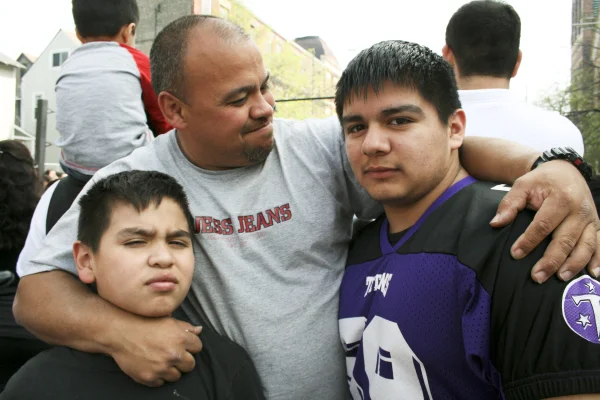
Muchas personas que soliciten estatus legal de residente permanente (la "tarjeta verde" o “mica”), en los Estados Unidos o en un consulado en el extranjero necesitaran un perdón antes de que sus solicitudes sean aprobadas. Lo siguiente es información general sobre el perdón I-601...

Conozca sus Derechos: Redadas de Inmigración
Como han escuchado, una serie de redadas de inmigración comenzó en todo el país este fin de semana. Según el gobierno, estas redadas se centraron en las personas que ingresaron a los Estados Unidos sin inspección a través de la frontera sur después del 1 de mayo del 2014, que tienen órdenes finales de expulsión (deportación), y que no tienen solicitudes pendientes frente el juez de inmigración. Si usted está en proceso de inmigración, o tiene audiencia pendiente frente del juez de inmigración esto NO aplicara a su caso.
Hay varias cosas importantes que usted debe saber para protegerse y proteger a su familia...

Know Your Rights: Immigration Raids
As many of you heard, a string of Immigration raids began to take place across the country this weekend. According to the government, these raids were focused on individuals who entered the United States without inspection through the southern border after May 1, 2014, who have final orders of removal (deportation), and who have no pending applications for relief or appeals.
There are several important things you should know in order to protect yourself and your family...
Information on I-601 Waivers
Many individuals applying for lawful permanent resident status (the “green card”), either in the United States or at a consulate abroad, will need waivers before their applications can be approved. Below is some general information regarding the I-601 waiver...

Aplicar para Residencia Permanente Legal (la “Mica”) a Través del Consulado
En nuestro último posteo de blog, discutimos sobre cómo aplicar para la residencia permanente legal (la “mica”) en los Estados Unidos después de tener aprobada una petición para visa de inmigración a través de un familiar. Sin embargo, muchas personas tendrán que regresar a su país de origen y aplicar para estatus a través del consulado. Abajo hay algunas preguntas comunes que hemos recibido sobre este proceso.

Applying for Lawful Permanent Resident Status (the “Green Card”) through the Consulate
In our last blog post, we discussed applying for lawful permanent resident status (the “green card”) in the United States after having an approved immigration visa petition from a family member. However, many people will need to return to their country of citizenship and apply for status through the consulate. Our immigration attorneys address some common questions we receive about this process.

Aplicar para Residencia Permanente Legal (la “Mica”) en los Estados Unidos a Través de una Petición Familiar
Si tiene un miembro de su familia que puede someter una petición de inmigrante para usted, una de las primeras preguntas seria si usted puede someter la aplicación para la mica (conocido como ajuste de estatus) dentro de los Estados Unidos, o si usted tendrá que regresar a su país de nacimiento para aplicar a través del consulado (conocido como proceso consular).

Applying for Lawful Permanent Resident Status (the “Green Card”) in the U.S. through a Family Visa Petition
If you have a family member who can file an immigrant visa petition for you, one of your first questions will be whether you can file for your green card (known as “adjustment of status”) within the United States, or whether you will have to return to your country of birth to apply through the consulate (known as “consular processing”).

¿Qué Hacer si un Amigo o Miembro de la Familia es Detenido (en el Centro de Detención del Noroeste)?
El artículo discute qué hacer si un ser querido o amigo está detenido (en concreto en el Centro de Detención del Noroeste). Los artículos exploran preguntas comunes que nuestros abogados de inmigración en LIH Law reciben: "¿En dónde se encuentra mi ser querido ?"; "¿Puede él o ella salir bajo fianza?"; "¿Él o ella será capaz de ver a un juez?"; "¿Puedo visitar a mi ser querido?" y más...

What to do if a friend or family member is detained (at the Northwest Detention Center)
This article discusses what to do if a loved one or friend is detained (specifically at the Northwest Detention Center). The articles explores common questions our immigration lawyers at L.I.H. Law receive: "Where is my loved on located?"; "Can he or she get out on bond?"; "Will he or she be able to see a judge?"; "Can I visit my loved one?" and MORE...
4 Consejos para Contratar a un Abogado de Inmigración
Una de las primeras cosas que usted puede hacer cuando se enfrenta a un problema de Inmigración es buscar un abogado que lo ayude en su caso. Aquí están algunas cosas a considerar al contratar a un abogado...
4 Tips for Hiring an Immigration Lawyer
One of the first things you might do when faced with an immigration problem is to look for a competent lawyer to assist you in your case. Here are a few things to consider when hiring an attorney...

Excepciones y Adaptaciones Cuando se Solicita la Ciudadanía (Naturalización)
Nuestro reciente post trata de excepciones y adaptaciones al solicitar la ciudadanía estadounidense (naturalización) ...Aquí hay algunas preguntas que nosotros abordamos a) ¿Qué pasa si no puedo hablar, leer o escribir bien Inglés ?; b)¿Qué pasa si no creo que puedo tomar los exámenes de inglés o educación cívica debido a una discapacidad ?; c) ¿Qué pasa si no puedo cumplir con el requisito de residencia continua ?; y más ...
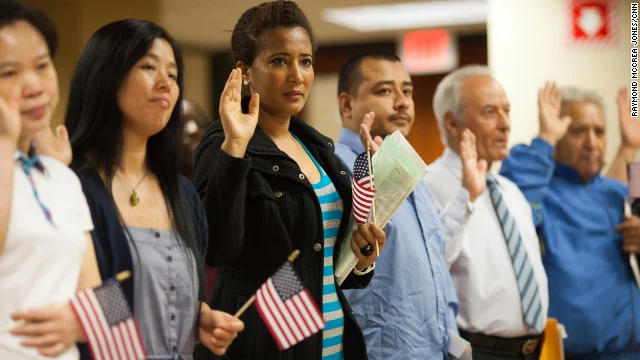
What are Exceptions and Accommodations When Applying for U.S. Citizenship (Naturalization)?
There are exceptions and accomodations when applying for U.S. citizenship. For example, consider this question: What if I cannot speak, read, or write English well? If you are 50 years old or older and have been a lawful permanent resident for at least 20 years, you may be able to take the civics test in your native language, and you can bring an interpreter to your interview. This exception also applies if you are 55 years old or older and have been a lawful permanent resident for at least 15 years.